
A History of Service
Step back in time to the 1930s. Life in the Tennessee Valley was very different from today. The Great Depression began in 1929. This was a hard time for people everywhere. Many people lost their jobs and homes, and they struggled to take care of their families. Life in the Tennessee Valley was already difficult.
Floods happened almost every year along the Tennessee River. These floods washed away farmland, damaged homes and businesses, and sometimes even caused deaths. Parts of the river were too rocky for boats to travel safely. Many people also got sick from diseases like malaria or typhoid fever. Very few homes had electricity, especially in rural areas.
TVA's History Timeline
TVA Today
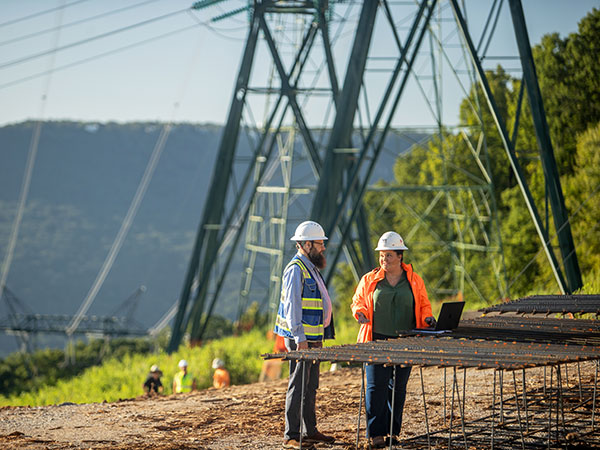
TVA is still carrying out its mission to make life better for the people of the region. It is the largest public power company in the United States. The Valley region is growing, and more people means more demand for energy. Explore the Energy section of TVA Learn to find out how TVA is working with others to build new energy sources! You can also discover how TVA continues to help protect public lands and the river in the Environment section. And read about how TVA helps cities and towns across the region in the Community section!
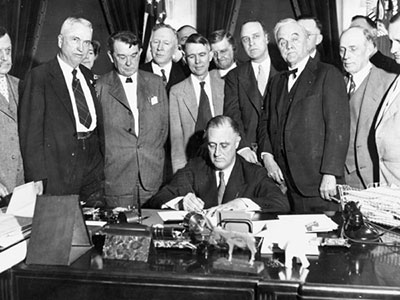
Franklin D. Roosevelt became president in 1933. He worked quickly to help the country recover. He created many programs as part of the New Deal. Some of these New Deal programs were:
- Works Progress Administration: Built roads, bridges and buildings.
- Civilian Conservation Corps: Gave jobs to young men to plant trees, improve parks or help prevent floods.
- Social Security Act: Gave money to retired people, unemployed workers and families in need.
TVA was also part of the New Deal. It was created by the TVA Act in May 1933. The TVA Act said this new government-owned company should:
- Control Flooding
- Improve River Navigation
- Generate Electricity
- Help Farmers
- Protect Natural Resources
- Support Economic Growth
- Support National Defense
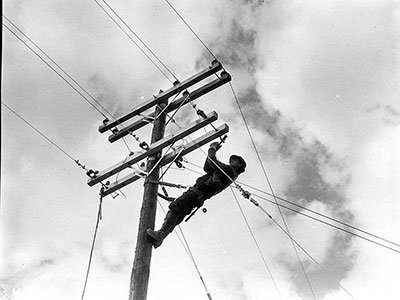
TVA got to work right away. The government gave it Wilson Dam in north Alabama. Then, TVA began building more dams.A plan called the Unified Development of the Tennessee River plan called for dams to be built from east Tennessee all the way into Kentucky. These dams would work together to control flooding and help boats travel safely.
The first dam built by TVA was Norris Dam near Knoxville, Tennessee. It took three years to finish. Over the next 10 years, TVA built 12 dams! TVA also bought dams and power plants from other companies and began selling power to towns and local power companies.
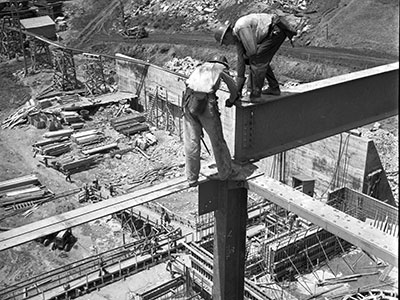
The United States entered World War II in 1941. TVA quickly began building new dams so it could provide electricity to factories that made aluminum, airplanes and other wartime materials. Near Knoxville, a secret government project called the Manhattan Project needed a huge amount of electricity. Scientists there were working to develop the atomic bomb.
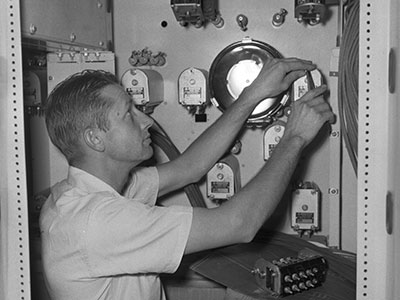
Even after the war, people still needed more electricity. They enjoyed the new appliances like refrigerators and electric stoves. And electricity helped bring more factories to the region. Hydropower from the dams couldn’t keep up with demand, so TVA began building coal plants. Later, TVA added more energy sources, including:
- Nuclear power
- Natural Gas
- Energy storage
- Solar power
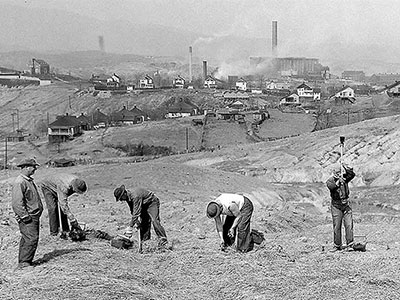
TVA created many programs to help the region. TVA worked with farmers to repair damaged land and teach better farming methods. It also began protecting wildlife and cleaning up pollution. These programs focused on three main areas:
- Energy
- Environment
- Economic Development
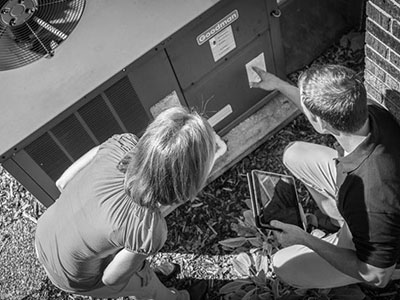
In the early years, the federal government gave TVA money each year. Over time, this became controversial. In the 1950s, Congress required TVA to pay for power projects using money from electricity sales. Congress also set up TVA’s service area so it could not expand into new territories. In 1999, TVA became fully self-funded. It no longer depends on tax money to take care of the environment, manage the river or support communities. In 2005, Congress updated the TVA Act to change how TVA is run. Instead of three full-time directors, TVA has a full-time CEO and a board of nine part-time directors. The President of the United States appoints the board members, and the U.S. Senate approves them.
Word Search
Find these words: