Nuclear Communicator
Corporate Career
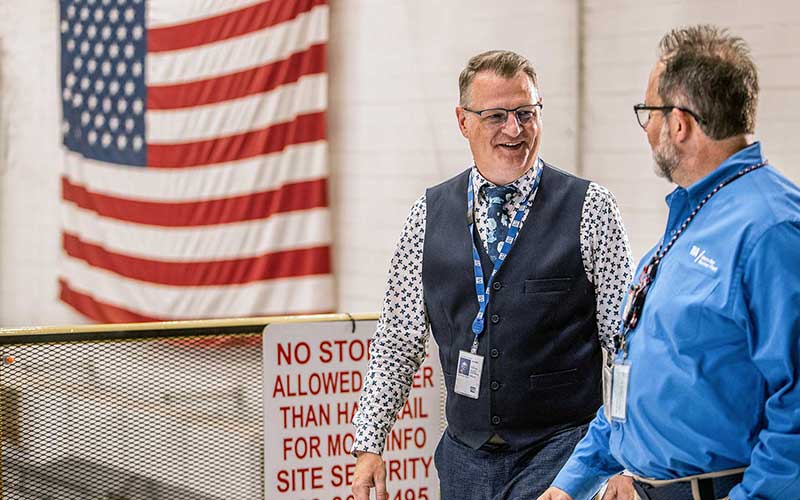
Scott Andresen knows the value of a good plan.
“Every day is different,” Andresen said. “One day, I’m communicating nuclear procedures. The next day, I'm giving tours of the nuclear facility to the media or I’m working on a publication honoring our company veterans.”
Andresen is senior manager of TVA Nuclear Communications. He works with a team across TVA’s three nuclear plants and the Fleet Center.
“My job is to tell TVA’s nuclear story – about how we pull together the knowledge and skill to achieve a common goal: generating safe and reliable energy,” he said. “That’s what our customers expect.”
A Day in the Life
Sharing the story of TVA’s nuclear work across the region and within TVA helps ensure employees and the public have the information they need, when they need it.
Some of the key duties of a nuclear communicator are:
- Turning complex nuclear science, safety protocols and regulations into simple terms for the public and media
- Handling urgent updates and coordinating clear information during emergencies
- Writing press releases, leading plant tours and taking part in community outreach and education
- Updating plant workers and executives on safety policies, regulations, and goals
“Whether I’m conducting nuclear drills and graded exercises or promoting a family day, our people need to see themselves in what I’m communicating,” he said.
And while it’s always good to have a plan, Andresen knows it’s also important to know when to adapt.
“You have to be flexible enough to change on the fly,” he said. “I learned that in the Navy.”
Becoming a Nuclear Communicator
Nuclear communicators need skills in communications, public relations, journalism or a similar field. You can gain these skills through a two- or four-year degree and hands-on experience working in journalism or public relations.
Important skills for this work include:
- Writing
- Verbal communication
- Using technology like word processors, graphics or photo and video editing programs, and web platform software
Individuals who want to work in nuclear communications also need to understand nuclear science and policy. There may be additional certifications offered from the U.S. Nuclear Regulatory Commission and the Institute of Nuclear Operations.
Working in a nuclear facility has additional qualifications, including a background security investigation.