'%3E%3Cmask id='b' fill='%23fff'%3E%3Cuse xlink:href='%23a'/%3E%3C/mask%3E%3Cuse fill='%23414141' xlink:href='%23a'/%3E%3Cg mask='url(%23b)' fill='%23414141'%3E%3Cpath d='M-160-170h300v300h-300z'/%3E%3C/g%3E%3C/g%3E%3C/g%3E%3C/svg%3E)
Water Monitoring for Kids
Whether they’re cooling off in a spring-fed creek, casting a line in a lush cove, or catching some air on a wakeboard, outdoor enthusiasts in the Valley are never far from fun times in the water. In fact, water is so plentiful here that people sometimes take it for granted. But not the people at TVA. They think about water… a lot.
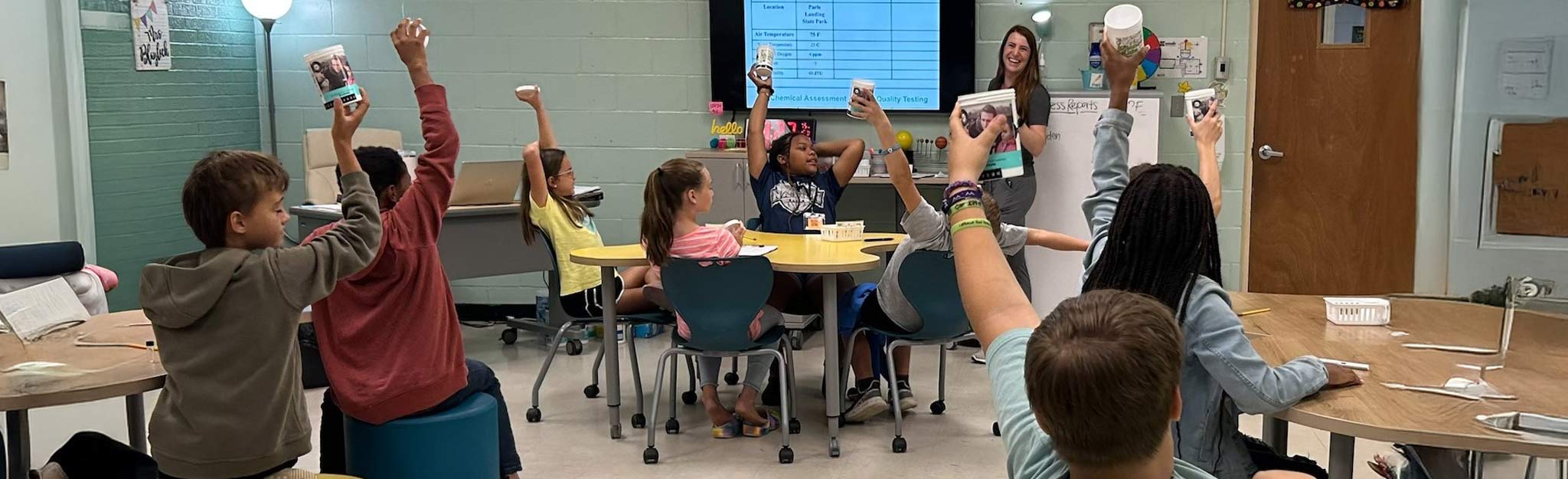
Thanks to TVA’s Water Monitoring Lab, 4th through 6th graders across the valley can get to experience a day as an Environmental Scientist. Using videos students learn to set up a data sheet, perform physical and chemical water quality assessments then analyze the findings to determine if their water sample will support aquatic life.
Types of Programming
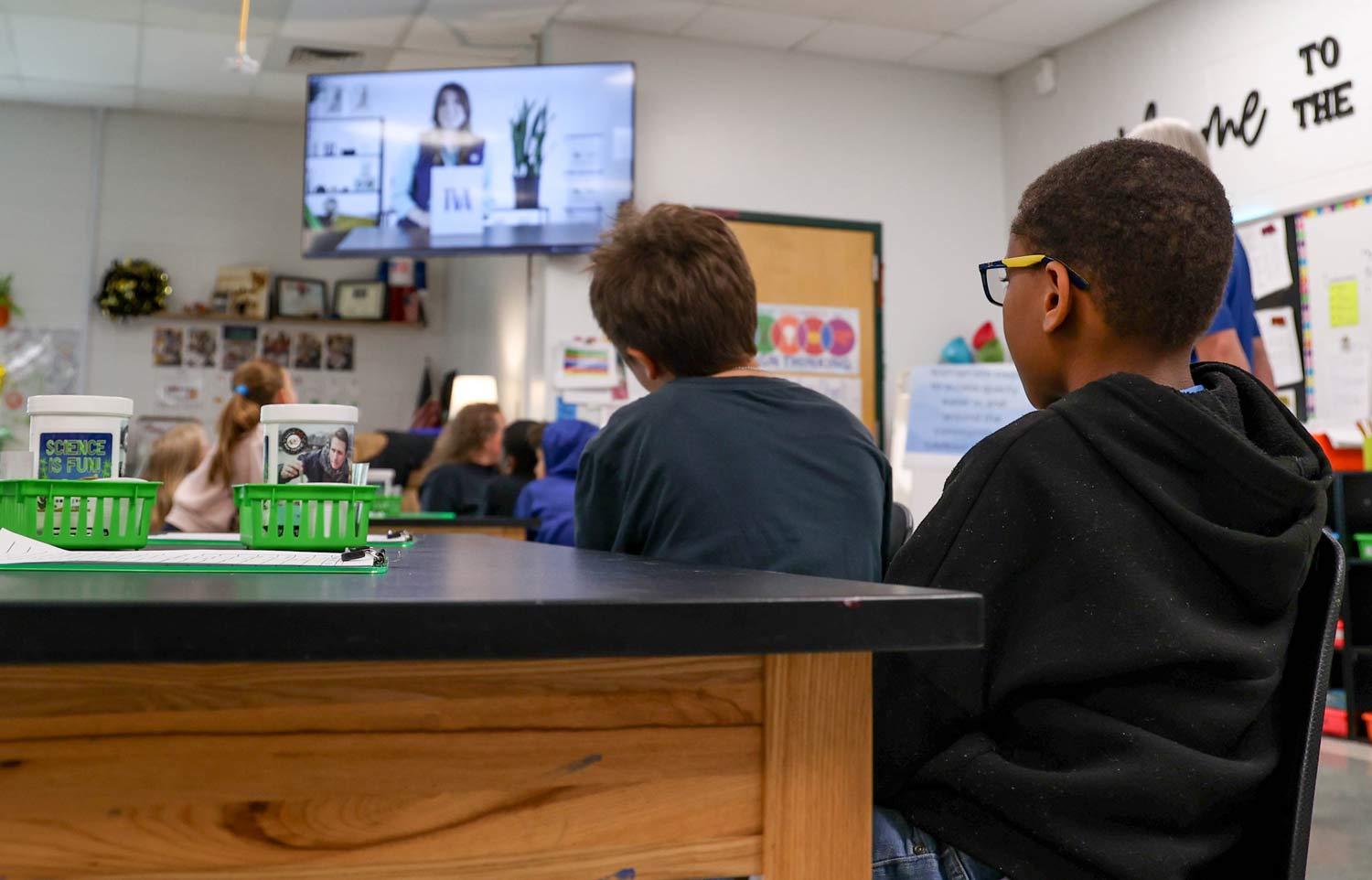
This program is now available as a series of short videos presented without the assistance of a TVA facilitator. To learn more about the virtual program and watch the videos, visit our Virtual Water Monitoring Lab.
Schools in Knox and Hamilton County have the option to schedule an in-person facilitator thanks to a volunteer partnership with Bicentennial Volunteers Inc. Read more about it here.
Educators can request free test kits or invite TVA to their classroom by emailing [email protected].
The Water
“Students are testing water for the health of aquatic biodiversity, so it’s important that the water comes from a natural resource. It could be a local pond or stream that most of the children are familiar with. Making that connection with their local environment helps them understand the impacts, it’s their water too.” says Environmental Stewardship & Sustainability facilitator Jessica Raper.
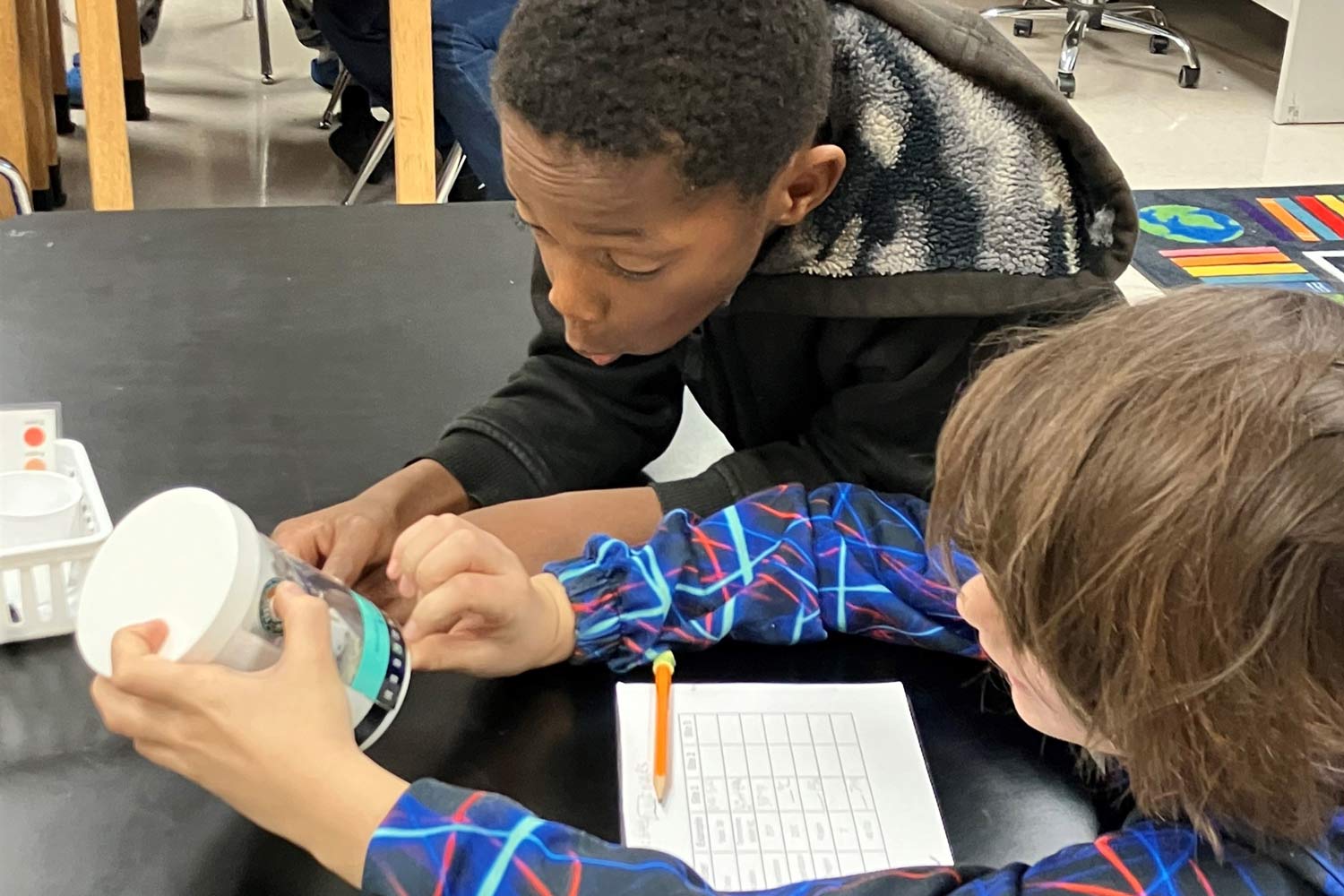
Everything needed to teach children about conducting experiments, testing water quality, recording data, and safely handling scientific equipment arrives in a box. Each year, thousands of children in the TVA service area excitedly open their little laboratories, which are provided free of charge to 4th, 5th, and 6th-grade classrooms.
The Results
Findings are recorded on a data sheet by each team and encourage young scientists to determine the importance of their results.
For example, a class might discuss the fact that the lives of fish are affected by the water’s turbidity. Why? Because fish need to see both their prey and their predators, or they won’t survive.
This type of information gives students more context, and they can view the results of their experiments more thoughtfully. Raper explains “Each student is put in the position of a scientist, the data recorded is an effect and if it’s outside of a normal range, then they are looking for a cause. What caused the change in water quality and what solutions can we come up with to fix the problem. This gives them a sense of involvement and social responsibility in assessing and protecting their own environment”.
The Takeaway
“Part of TVA’s mission is to protect the Valley’s natural resources for future generations. This program creates young citizen scientists who have discovered that their behavior can help keep the Valley’s waterways clean and its wildlife healthy,” Raper sums up. “They’ve also learned how their actions can affect water quality at home and around the world.”
Want to find out more? Visit EarthEcho International for more helpful information and resources.